
Chapter XIII · 13 of 22 · Part III — Society & Structure
Education and the Future of Human Potential
What does it mean to truly learn — and to be free?
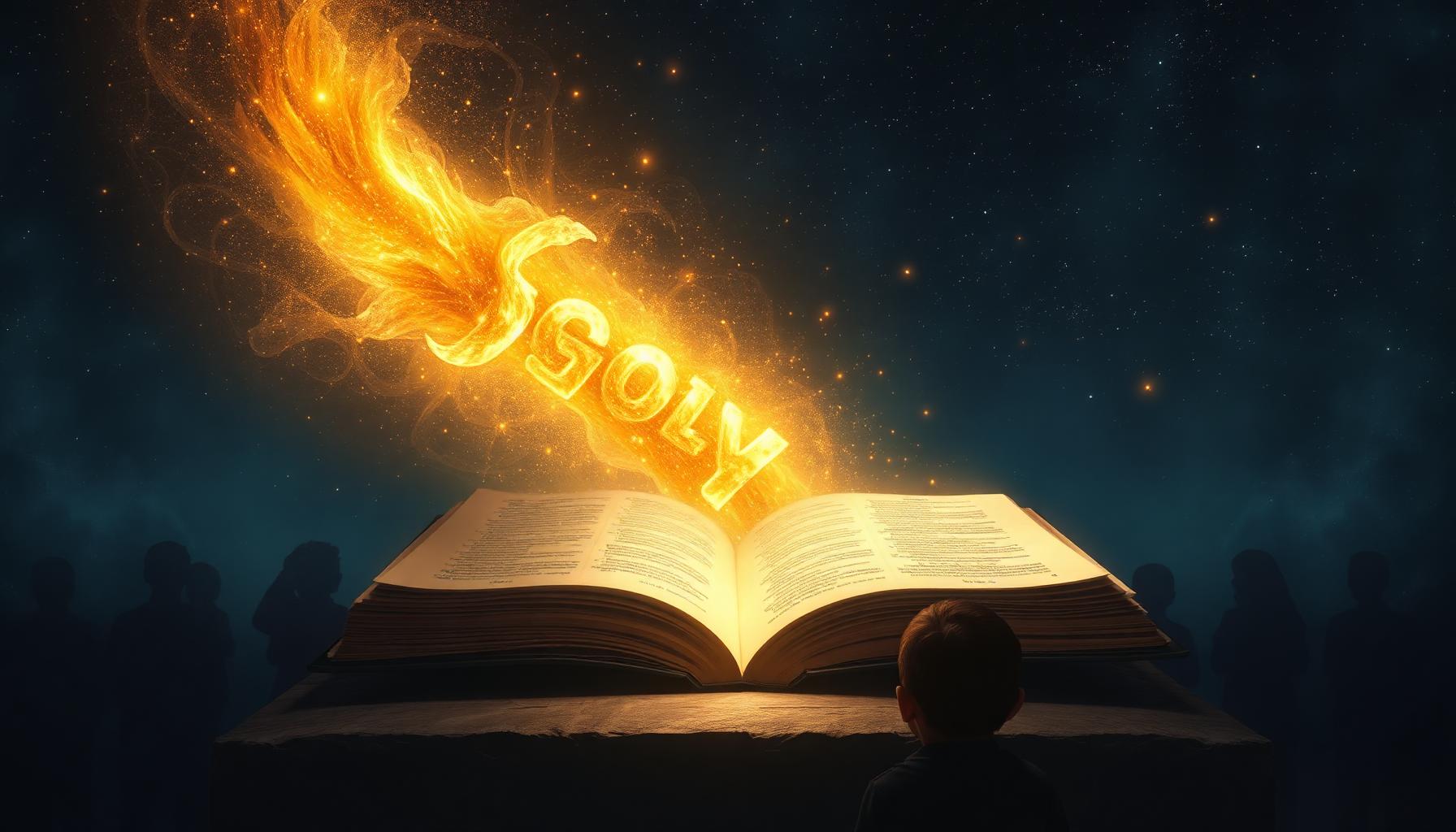
Real education is not the filling of a vessel but the lighting of a fire. It is the slow, generous work of helping a human being become more fully themselves.
Section II
Why This Matters
Much of the schooling our species inherited was designed for an industrial economy: standardized, sortable, obedient. The future will not reward those qualities. It will reward the qualities they sometimes suppress — curiosity, collaboration, judgment, imagination, and care.
The world's children are not deficits to be filled. They are luminous, capable, and asking to be taken seriously. Most school systems treat them as the opposite.
Education is the closest thing humanity has to a renewable infrastructure for hope. When we invest in it well, every other system gets easier. When we starve it, every other system bends.
Lifelong learning is no longer a phrase. It is the actual condition of being alive in a fast-changing world.
Section III
Five Reflection Questions
Carry these questions like lanterns. Let them illuminate, not interrogate.
Question 01
“What did I learn this year that surprised me?”
Question 02
“What am I still teaching myself out of love?”
Question 03
“Whose learning am I in a position to support?”
Question 04
“Where am I letting my mind go to sleep?”
Question 05
“What would I study if no one were grading me?”
Section IV
Living Example
A bus that became a school
When the schools of rural Colombia could not reach the children of the coffee zone, an educator named Vicky Colbert helped design a one-room model called Escuela Nueva — older children teaching younger, learning at one's own pace, families and farmers integrated into the curriculum.
Critics called it a compromise. The data called it a quiet revolution: better outcomes than urban schools, lower dropout, deeper retention.
Today the model is taught in nineteen countries on four continents. It began with someone who refused to believe that a child's potential should be limited by the size of the road that reached them.
Section V
Living Solutions
Five practices you can begin today — small enough to keep, large enough to change you.
01
Become a Beginner Again
Take up something this year you have never done. Beginner's mind is the most underrated antidote to aging.
02
Mentor One Person
Knowledge is not yours until you have given it away. Choose someone and show up monthly.
03
Defend a Local School
Volunteer, donate, vote, attend. Public education is everyone's child.
04
Read Outside Your Bubble
One book a quarter from a culture, tradition, or discipline far from your own. The mind expands in proportion to the stretch.
05
Ask Better Questions of the Young
Not "what do you want to be?" but "what are you curious about?" Watch their faces change.
Section VI
Author Reflection
“Every human being is a library that may or may not be lit. Education, at its best, is simply the work of switching the lights on — and trusting the books to do the rest.”
— Colleen Powers
Section VII
Community Inquiry
What question is alive in you today?