
Chapter XI · 11 of 22 · Part III — Society & Structure
Governance, Trust, and the Architecture of Society
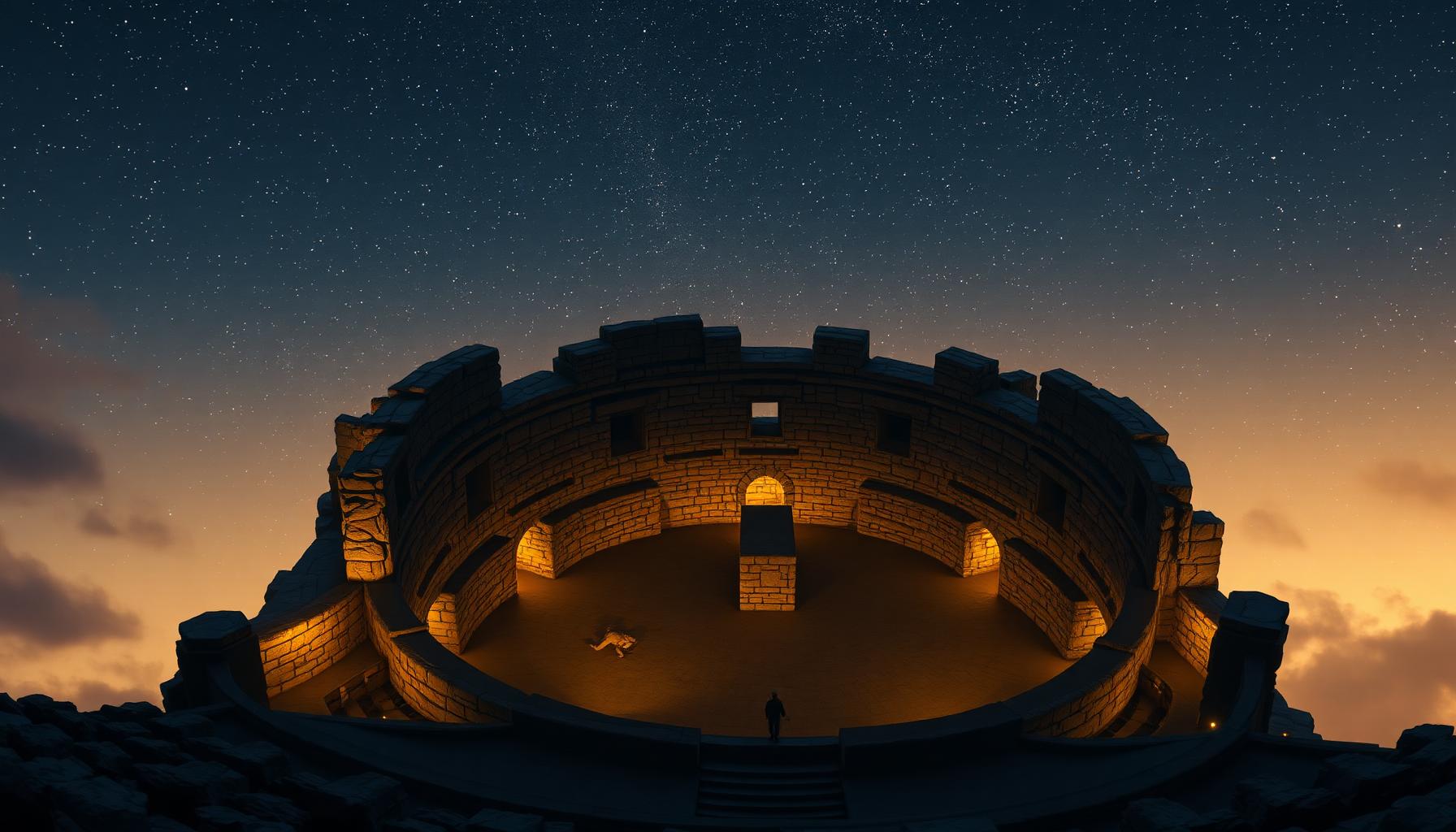
What would I build if I trusted us to govern wisely?
Governance is not a building in a capital city. It is the daily, mostly invisible architecture of how strangers agree to share a life.
Section II
Why This Matters
Trust in institutions is at historic lows across nearly every democracy. The temptation is to blame the institutions, the politicians, or the algorithms. The harder truth is that we are also the institutions.
Functioning governance requires shared facts, shared rules, and a shared sense that the rules apply to everyone. Each of these is currently under strain, and each can be rebuilt — but not without us.
The opposite of broken trust is not naive faith. It is verifiable participation: showing up, asking questions, holding power accountable, and being trustworthy in the small ways ourselves.
A good society is not given. It is, generation after generation, repaired.
Section III
Five Reflection Questions
Carry these questions like lanterns. Let them illuminate, not interrogate.
Question 01
“Where have I outsourced citizenship to convenience?”
Question 02
“What institution have I given up on without trying to repair?”
Question 03
“Whom do I trust, and on what evidence?”
Question 04
“What promise have I made to the public good lately?”
Question 05
“What would I run for, defend, or organize, if I knew I would not fail?”
Section IV
Living Example
A town that voted itself back to life
In Porto Alegre, Brazil in 1989, a coalition of neighborhood activists asked a question their city government had never been asked: what if ordinary residents decided how a portion of the public budget was spent?
Participatory budgeting was born — open meetings, neighborhood priorities, line items for sewer and school and bus stop decided by the people who would use them.
Within a decade, infrastructure had improved measurably in the poorest districts, corruption complaints had dropped, and the practice had spread to more than 1,500 cities worldwide. Trust, it turned out, was renewable.
Section V
Living Solutions
Five practices you can begin today — small enough to keep, large enough to change you.
01
Show Up Locally
Attend one council, board, or hearing this month. The most consequential rooms are the least crowded.
02
Learn One Civic Skill
How a bill is introduced. How a budget is read. How a public records request is filed. Power becomes ordinary when knowledge does.
03
Keep Your Word in Small Things
Civic trust is built on the same fabric as personal trust. Be the person whose yes means yes.
04
Defend an Institution You Use
Library, school, park, post office. Public goods survive by being publicly defended.
05
Disagree Without Dehumanizing
Practice arguing with the strongest version of the other side. Democracy is a discipline of imagination.
Section VI
Author Reflection
“Governance is what we make together when we cannot get everything we want alone. It is slow, imperfect, and absolutely worth the effort. Cynicism is cheap; citizenship is the practice of staying.”
— Colleen Powers
Section VII
Community Inquiry
What question is alive in you today?