
Pillar II · 02 of 12
Community Wellness Centers
Health as a daily practice, woven into the rhythm of neighborhood life.
Mission
To make whole-person wellbeing the default condition of community life rather than the exception purchased after collapse.
Vision
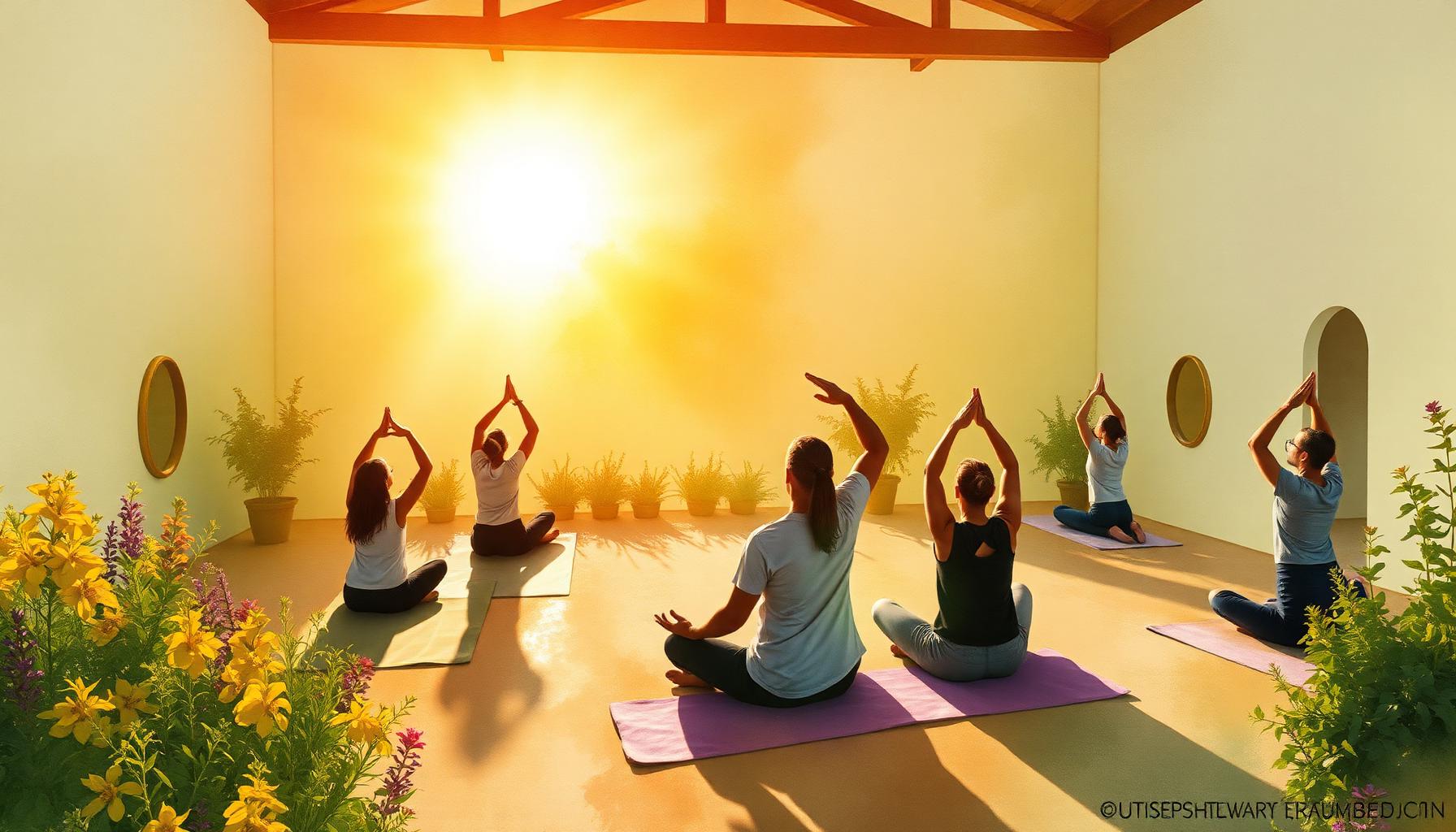
Every neighborhood has a wellness commons — a warm, welcoming place where movement, nourishment, mental care, and connection are woven into ordinary weeks.
Why It Matters
The case for renewal
Modern healthcare excels at rescue and falters at prevention. The diseases of our century — metabolic, mental, relational — are largely diseases of lifestyle and isolation.
Care delivered in five-minute appointments cannot address what was caused by years of disconnection from movement, real food, and community.
When wellness becomes a place we go together, the cost of suffering plummets and the quality of daily life rises.
Current Challenges
What stands in the way
- 01Healthcare systems built around acute, billable interventions rather than continuous care.
- 02Epidemic loneliness as a measurable health risk equal to smoking.
- 03Sedentary work and built environments hostile to movement.
- 04Mental health support inaccessible to most until crisis.
- 05Disconnection between nutrition, movement, sleep, and medical care.
Practical Solutions
What we are building
01
Neighborhood Wellness Commons
A welcoming, sliding-scale center within walking distance of every neighborhood, offering movement classes, mental health care, primary care, and culinary education under one roof.
02
Quarterly Wellness Visits
Every resident is invited to a relaxed, hour-long seasonal check-in covering body, mind, sleep, nutrition, relationships, and purpose — long before crisis.
03
Movement-as-Medicine Programming
Free daily classes from gentle mobility for elders to vigorous training, hiking, dance, and martial arts. Movement becomes social, not solitary.
04
Mental & Relational Wellness Circles
Trained facilitators host weekly peer groups for grief, anxiety, fatherhood, motherhood, addiction recovery, and meaningful conversation.
05
Culinary & Nutrition Apprenticeships
Teach the practical art of cooking from the foodshed; pair newly diagnosed residents with kitchen mentors instead of pamphlets.
Implementation Strategy
A path you can walk
- 01Phase 1 — Convene local physicians, therapists, movement teachers, and elders.
- 02Phase 2 — Renovate an existing community building into the first wellness commons.
- 03Phase 3 — Launch quarterly wellness visits and weekly programming.
- 04Phase 4 — Integrate insurance, public health, and employer partnerships for sustainable funding.
- 05Phase 5 — Open a second location, train the next staff cohort, and document the model.
Pilot Community
What it looks like
A mid-sized neighborhood of 8,000–12,000 residents with a renovated wellness commons offering movement studios, herbal gardens, primary care suites, mental health rooms, and a teaching kitchen.
The Benefits
Economic. Environmental. Communal.
Economic
- ✦Reduces emergency-room utilization and chronic-disease costs.
- ✦Creates skilled local jobs across many disciplines.
- ✦Lowers employer health-insurance burdens.
Environmental
- ✦Encourages walking, cycling, and time outdoors.
- ✦Reduces pharmaceutical waste through preventative care.
- ✦Pairs with local food systems for fresh, seasonal nourishment.
Community
- ✦Replaces isolation with belonging.
- ✦Normalizes mental health support.
- ✦Reweaves intergenerational care.
Gallery & Videos
Coming into view
Photographs, films, and project documentation will populate this gallery as pilot communities take shape.
01 · Coming soon
02 · Coming soon
03 · Coming soon
04 · Coming soon
05 · Coming soon
06 · Coming soon
Downloadable Resources
Tools for builders
- Wellness Commons Design GuideComing soon
- Quarterly Visit ProtocolsComing soon
- Movement Class CurriculumComing soon
Frequently Asked Questions
Honest answers
›How is this different from a gym or clinic?
It is both, and neither. The wellness commons integrates medical, mental, movement, and culinary care into a single relational place — designed for the well, not only the sick.
›Who pays for it?
A blend of insurance reimbursement, public health funding, employer sponsorship, sliding-scale memberships, and philanthropic seed capital — modeled to be cheaper than the system it replaces.
›What about specialists and emergencies?
The commons partners with regional hospitals; it does not replace acute care — it surrounds it with the continuous care that prevents most crises.
Closing Reflection
“We do not need a healthier system. We need to remember that health was never a system.”
— A neighborhood physician
Wellness is not bought, it is practiced — and practice flourishes where it is welcomed, warm, and walking distance from home.
Continue the Journey