
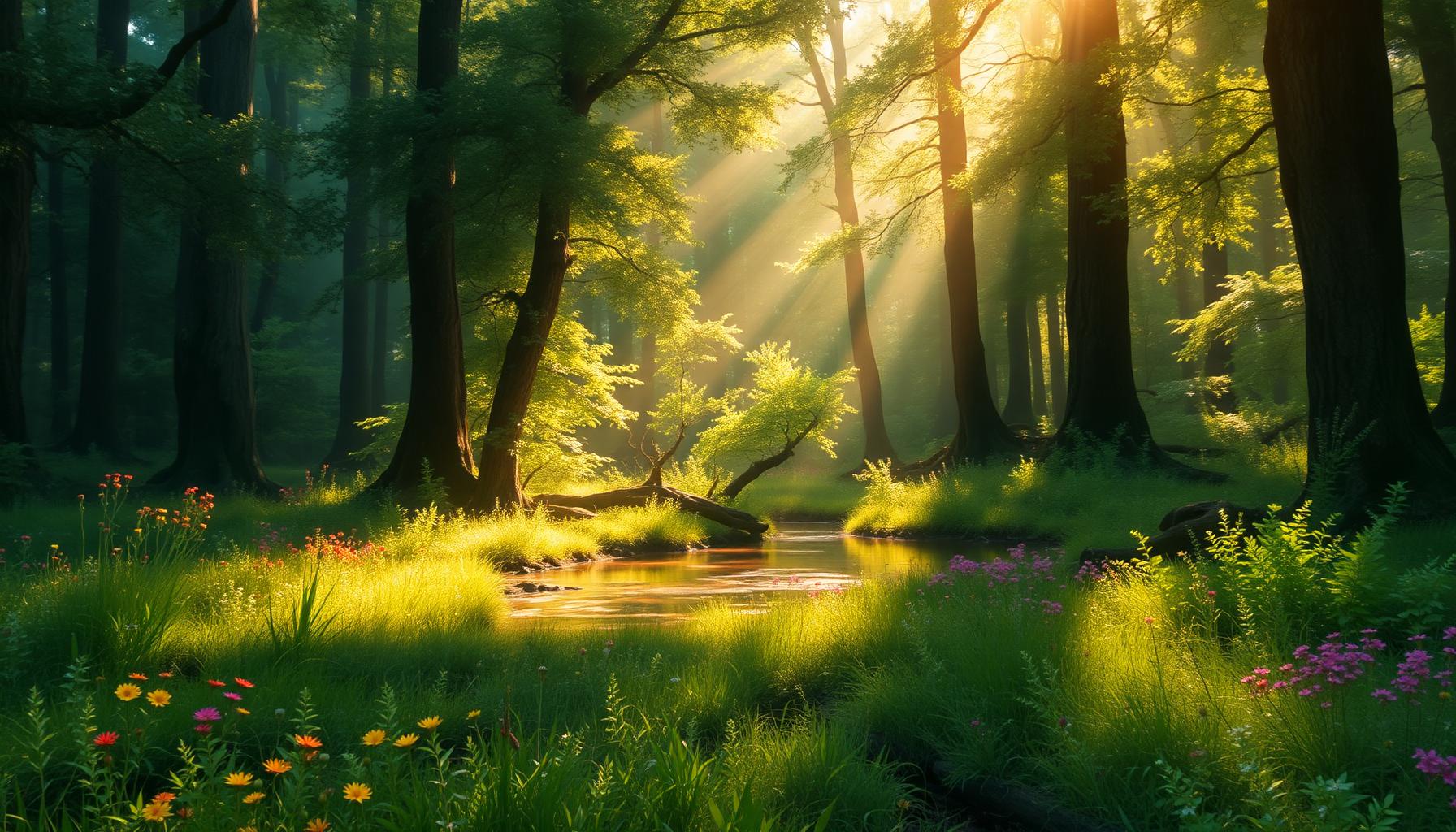
Pillar VII · 07 of 12
Environmental Stewardship
Forests, soils, wildlife, and pollinators tended as kin.
Mission
To restore the conditions for life — soils, forests, wetlands, pollinators, and the great web that holds them — at every scale we can reach.
Vision
Every community lives within a thriving, biodiverse landscape it actively tends, and the wild world begins at the edge of every garden.
Why It Matters
The case for renewal
We are the first generation that can see the line between extinction and recovery in our own lifetimes — and the last that can choose recovery before thresholds close.
Healthy ecosystems are the original infrastructure: cleaner water, more stable climate, abundant pollinators, productive soils, and beauty that returns dignity to daily life.
Stewardship is not sacrifice; it is the deepest form of belonging — to a place, a season, and a future.
Current Challenges
What stands in the way
- 01Habitat fragmentation and loss at unprecedented scale.
- 02Collapse of pollinator and insect populations.
- 03Soil degradation across most agricultural land.
- 04Invasive species and disrupted fire regimes.
- 05Cultural disconnection from local ecology.
Practical Solutions
What we are building
01
Forest & Wetland Restoration
Reforestation with native species, wetland reconnection, prescribed burns where appropriate, and beaver reintroduction at watershed scale.
02
Pollinator & Insect Corridors
Networks of native plantings across yards, parks, farms, and roadsides that reconnect fragmented habitat.
03
Living Soil Programs
Cover cropping, compost, biochar, reduced tillage, and integrated grazing to rebuild topsoil community-wide.
04
Wildlife & Biodiversity Monitoring
Citizen-science networks tracking birds, amphibians, fish, and pollinators — translating love into data and data into protection.
05
Stewardship Education
Every resident learns the names, needs, and stories of the species sharing their landscape.
Implementation Strategy
A path you can walk
- 01Phase 1 — Baseline ecological inventory across the bioregion.
- 02Phase 2 — Launch the first restoration projects in priority sub-watersheds and corridors.
- 03Phase 3 — Reintroduce beaver and other keystone species where suitable.
- 04Phase 4 — Build the citizen monitoring network and stewardship curriculum.
- 05Phase 5 — Convene a permanent bioregional stewardship council.
Pilot Community
What it looks like
A bioregion restoring 50,000 acres of habitat over a decade, with reintroduced beaver, recovering pollinator populations, and a citizen-monitoring network in every neighborhood.
The Benefits
Economic. Environmental. Communal.
Economic
- ✦Productive soils and abundant pollination for agriculture.
- ✦Tourism, recreation, and place-based economies.
- ✦Lower costs from flood control and water filtration.
Environmental
- ✦Recovering biodiversity at landscape scale.
- ✦Significant carbon drawdown.
- ✦Resilient ecosystems against climate shocks.
Community
- ✦Deep belonging to a living landscape.
- ✦Children growing up among returning wildlife.
- ✦Shared rituals of seasonal stewardship.
Gallery & Videos
Coming into view
Photographs, films, and project documentation will populate this gallery as pilot communities take shape.
01 · Coming soon
02 · Coming soon
03 · Coming soon
04 · Coming soon
05 · Coming soon
06 · Coming soon
Downloadable Resources
Tools for builders
- Bioregional Restoration AtlasComing soon
- Pollinator Corridor GuideComing soon
- Citizen Science ToolkitComing soon
Frequently Asked Questions
Honest answers
›Is reintroduction safe?
Decades of evidence show carefully managed reintroduction of keystone species produces overwhelmingly positive ecological and social outcomes.
›What if private landowners aren't interested?
Voluntary incentive programs, tax structures, and visible neighbor success consistently grow participation over time.
›How is progress measured?
Through publicly published biodiversity indices, water quality, soil organic carbon, and recovering keystone populations.
Closing Reflection
“The land does not need our rescue; it needs our return.”
— A forest steward
Tend one acre well and the rest of the bioregion begins to remember itself. Stewardship is the inheritance we give the next century by what we do this season.
Continue the Journey